Mind Studios makes the project personal instead of just thinking of the income that comes from it. The team is very competent in what they do, always delivers on time, and, most important, is cost-efficient.
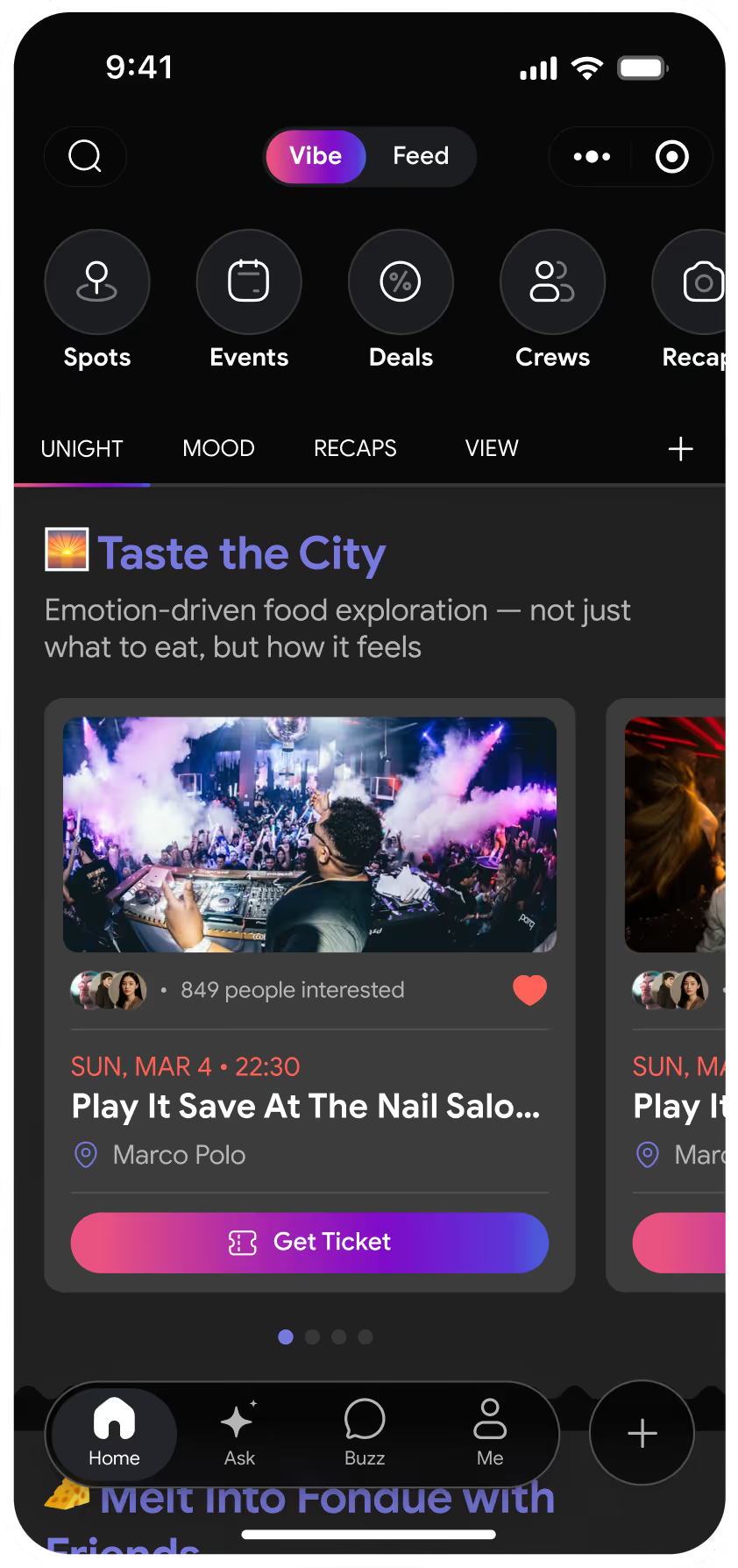
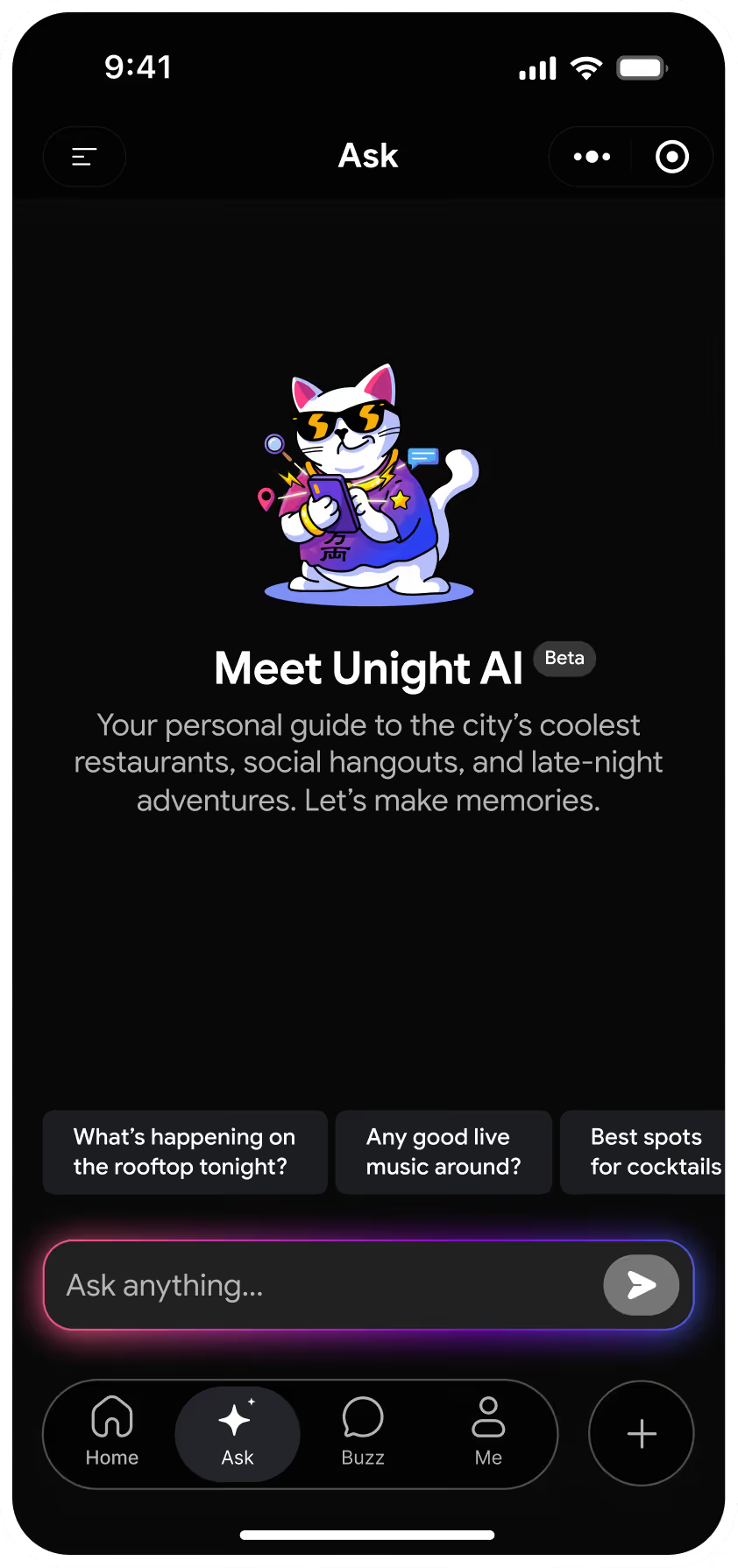
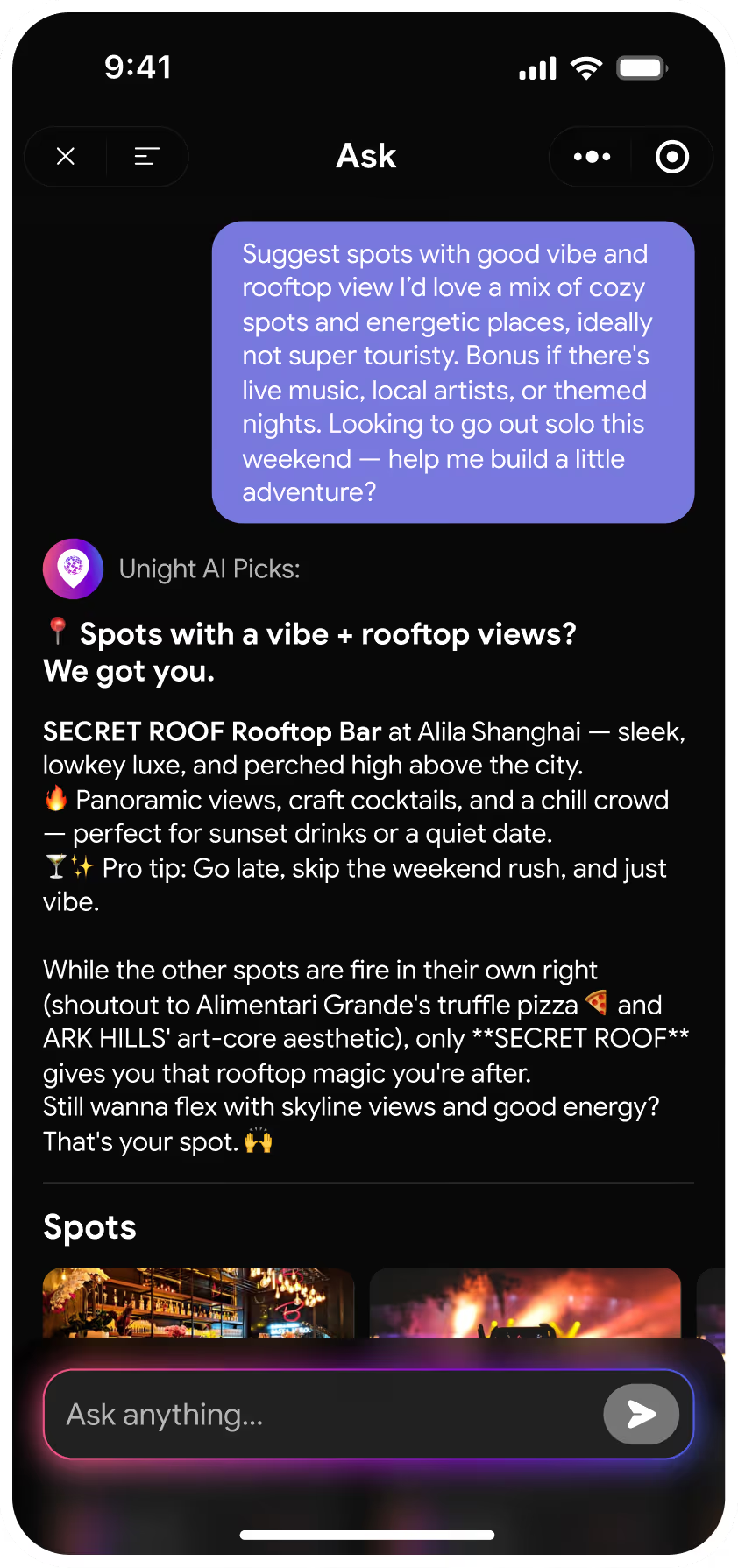
Unight is Shanghai's leading nightlife discovery platform, serving 200,000+ users across hundreds of partner venues through a WeChat mini-program architecture.
Mind Studios was engaged to architect and develop the platform's AI-driven discovery layer.

Unight prioritizes user experience optimization above all strategic considerations. As Shanghai's leading nightlife discovery platform, their core mission centers on delivering accurate venue recommendations that align with individual preferences and situational context.
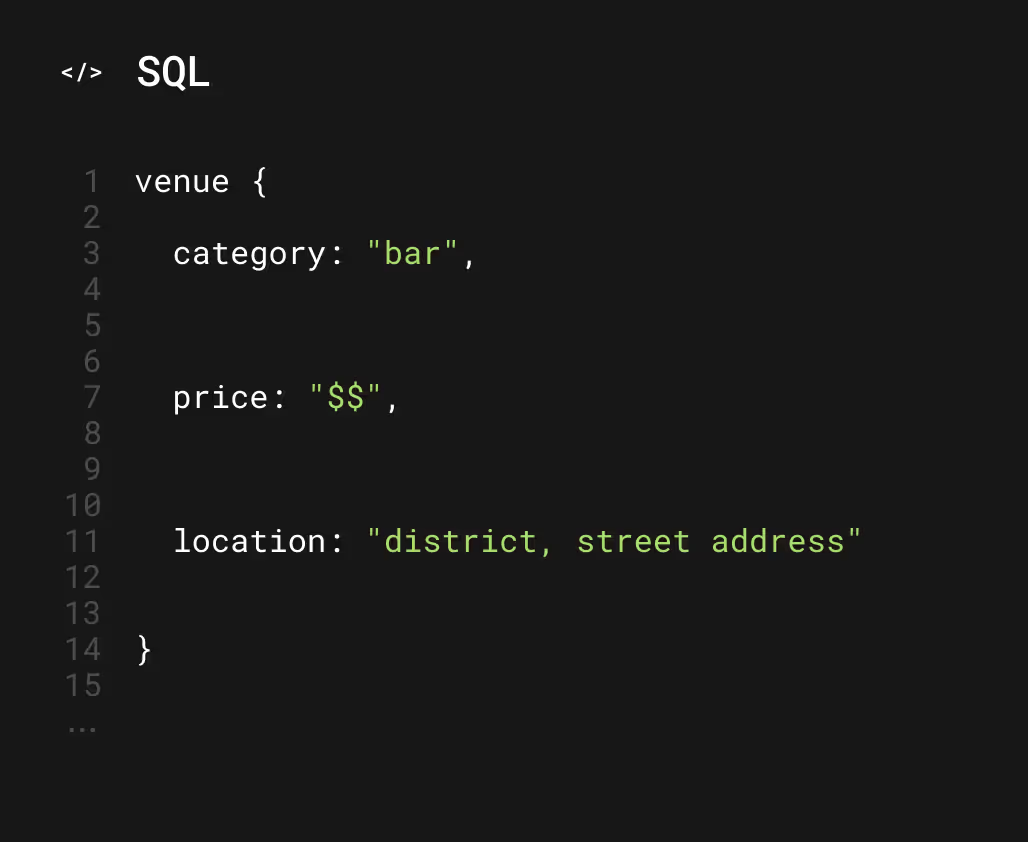
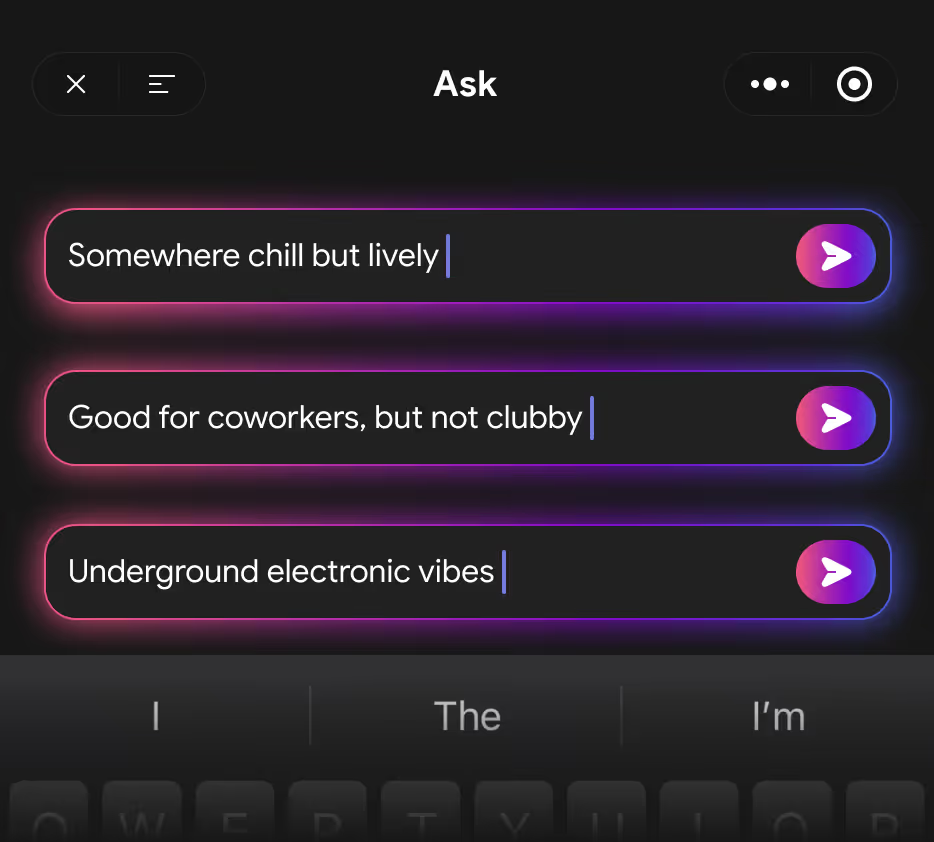
This represents a fundamental semantic gap. Users know how they want to feel, not which database category to filter by.
However, achieving this mission required solving a critical problem: conventional venue databases don't structure information the way users naturally search.
TripAdvisor and Dianping had reviews, but a generic category-based search
WeChat groups provided peer recommendations, but there was no searchable discovery tool
Local blogs offered insider insight, but weren't actionable or bookable
We set out to build an AI system capable of interpreting emotional, contextual language and translating it into precise venue matches.
We architected a dual-layer AI system: one to build structured intelligence across every venue, and the other to translate user intent into precise and personalized recommendations.
Custom multi-dimensional classification framework processing unstructured data (reviews, descriptions, editorial content) into structured dimensional scores. Enables computational reasoning over experiential attributes.

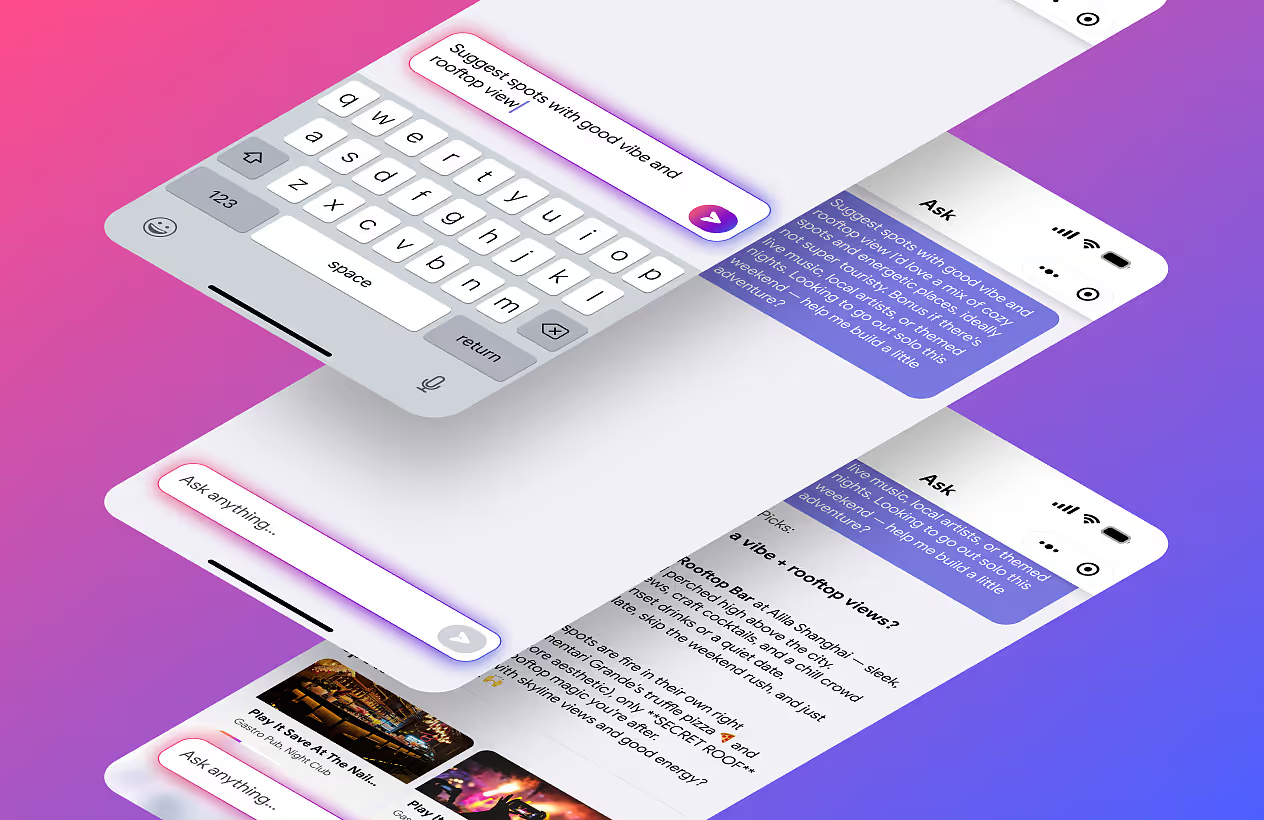
LLM-based interface translating natural language queries into structured database operations through a six-step pipeline:
Intent recognition
Data parsing
Vector search
Re-ranking
Guardrailed response generation
Personalized, context-aware recommendations delivered through a conversational interface, powered by a reliable data foundation, preventing AI hallucinations.
This component is the foundation of our custom AI venue discovery platform development, not a simple tagging feature, but a proprietary dimensional classification ontology for nightlife venues.
We developed proprietary dimensions that mirror how users naturally talk about nightlife:
Overall atmosphere and character
Demographics and social dynamics
Intimate vs. crowded environments
Background music vs. conversation-dominating
Genre, volume, prominence
How the venue changes from early evening to late night

These dimensions capture subjective, contextual attributes that conventional categorical systems cannot represent.
We aggregate content from multiple platforms to ensure comprehensive venue coverage:

TripAdvisor reviews and ratings

SmartShanghai editorial content

Internal user reviews

Community-generated commentary
NLP models analyze unstructured text from these sources to:
Identify positive/negative indicators within reviews
Recognize nightlife-specific descriptors ("energetic," "intimate," "sophisticated")
Assign quantitative values to each proprietary dimension
Each venue becomes a rich data object with dimensional scores, not just a name and category label.
With structured venue intelligence established, we developed a natural language interface that translates user queries into precise recommendations. The result is an AI venue search platform development approach that handles nuanced and multi-intent queries at production scale.
Intent recognition
Context extraction
Dimension mapping
Semantic retrieval
LLM-based re-ranking
Guardrailed response generation
The conversational layer was designed with:

PostgreSQL database with pgvector extension for vector similarity search

Traditional keyword search matches literal text: searching "bar" returns venues labeled "bar." Our semantic search operates differently:
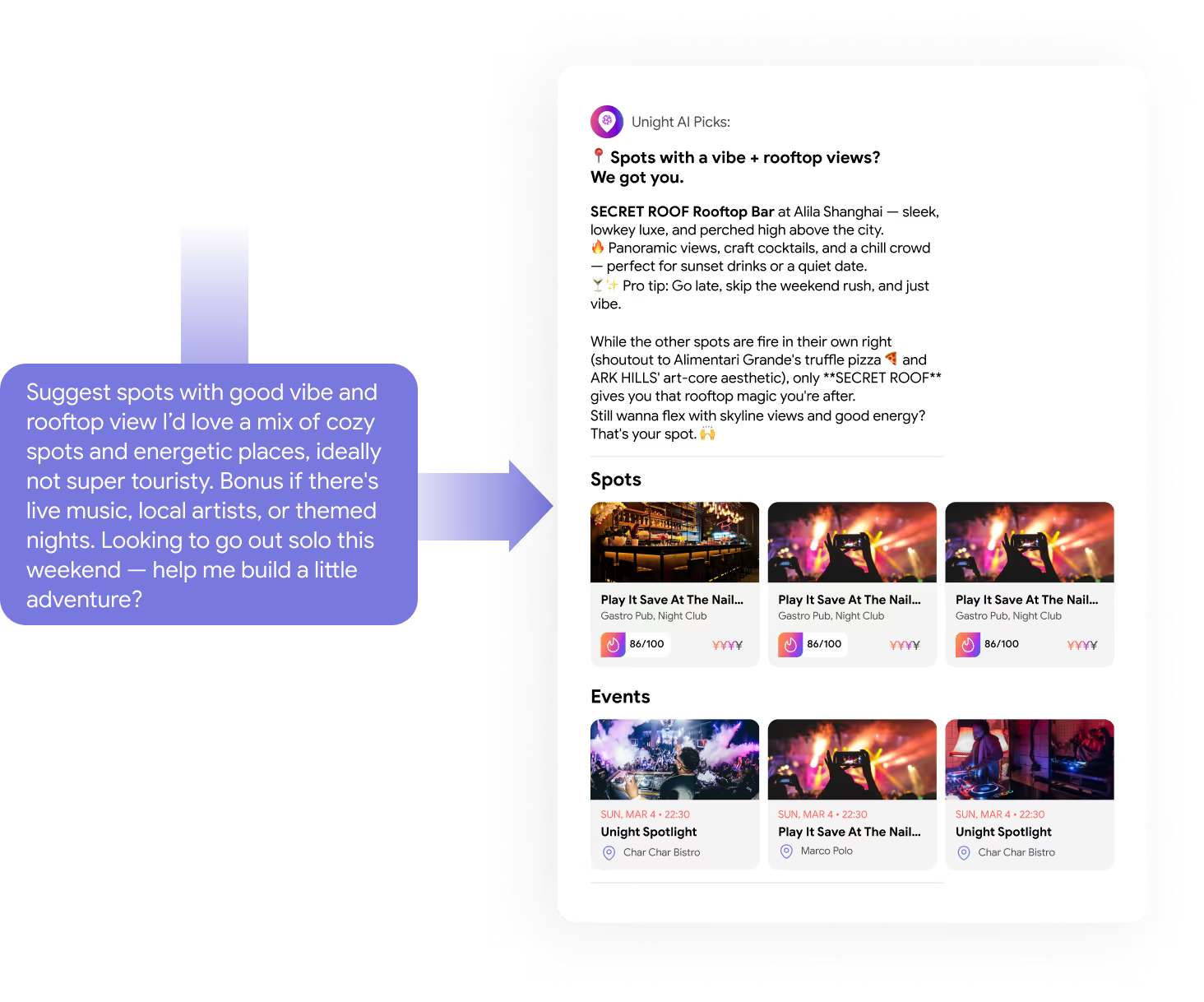

Query:
Somewhere relaxed for conversation

System matches:
Venues with high conversation-level scores, moderate energy curves, and appropriate social density, regardless of their category labels.
The system processes queries mathematically across dimensions, enabling complex matching that keyword search cannot achieve.
Each suggestion can be explained through dimensional alignment: "This venue matches your preference for moderate energy and conversation-friendly atmosphere."
Ranking logic operates on structured dimensional data, ensuring all recommendations derive from verified venue attributes.
New venues automatically process through the same pipeline, maintaining consistent classification quality as the database grows.
Celebrating with coworkers, good music, but we can talk, not too expensive.
System identifies:
Parallel processing branches activate if the query contains multiple intents.
Extraction of structured components:
Query converts to embedding vectors. Search executes against pre-indexed venue embeddings via pgvector. Tag filters refine the result set.
Candidate venues evaluated for contextual alignment using:
LLM constructs explanations using exclusively verified database entities. No external inference. Strict grounding to structured venue data prevents hallucination.
~3 seconds
We design conversational AI that guides users naturally from question to decision.
The AI implementation transformed Unight's fundamental platform architecture.
Transactional ticketing utility
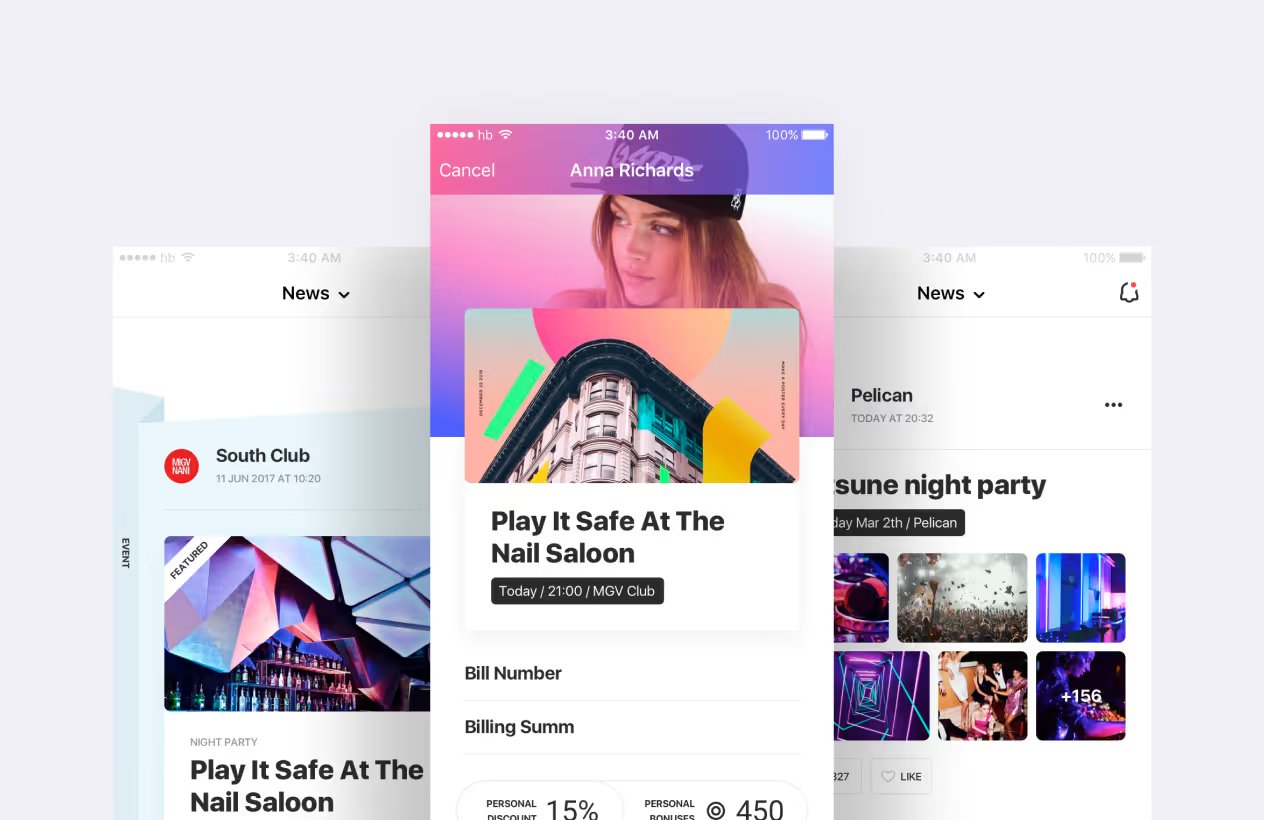
AI-driven discovery ecosystem
Transactional sessions → Exploratory browsing
Users engage for discovery independent of immediate booking intent.
Multi-platform comparison → Single conversational interface
Natural language queries eliminate research fragmentation.
Low engagement → Increased venue exposure and partnership value
Extended sessions strengthen advertising effectiveness.
Anonymous visits → Structured behavioral signals
Every interaction refines recommendation accuracy.
We delivered a production-grade AI system serving 200,000+ users with sub-3-second natural language venue discovery. The modular architecture provides Unight with a scalable foundation supporting future user base expansion and venue network growth.
Book a free consultation to explore how conversational AI can transform your platform.