
Mind Studios really think about the problem; they're not yes men. They challenge their clients and think about long-term solutions.
Technical advisory services for businesses facing decisions that matter. Not advice from the sidelines — architecture and strategy from those accountable for the outcome.

SINCE 2013
in business
70%
of clients stay 3+ years
4.9 on


34 reviews


ISO 27001 & ISO 9001
For companies at a critical technology decision point — where the wrong choice will slow growth, and the right one will unlock it. The common thread is simple: decisions like these should be made by people who've done it before — in real systems, under real constraints. That's what technology advisory services for businesses are actually for.
You have a clear product vision and funding, but no CTO. You need someone to make the technology decisions that will compound for years — not a recruiter, not a freelance architect, but a team that will make the calls and then execute on them.
You're considering a platform migration, a rebuild, a new system, or a significant technology bet. You want an experienced external perspective from architects who've made these calls before — and lived with the consequences.
Your operations run on spreadsheets, legacy systems, or disconnected tools. You know you need to modernize, but you don't know where to start or what to prioritize. You need a roadmap that's honest about sequencing, cost, and risk.
Boards, investors, or leadership teams assessing a technical strategy, evaluating a portfolio company, or validating an architecture choice. You need an independent assessment from architects who've built production systems — not consultants who've only reviewed them.


When companies come to us:
"We have a clear product vision, but no one to make the technology decisions that will hold up for the next five years."
What we deliver:
System design and custom software architecture services from the ground up — technology stack selection, database architecture, API design, cloud infrastructure, integration architecture, and the dozens of smaller decisions that determine whether a system scales gracefully or painfully. This isn't a deliverable that gets handed off. It's a decision set — documented, defensible, and built to be the foundation of everything that follows. The architects who make these calls are the architects who will build on them.
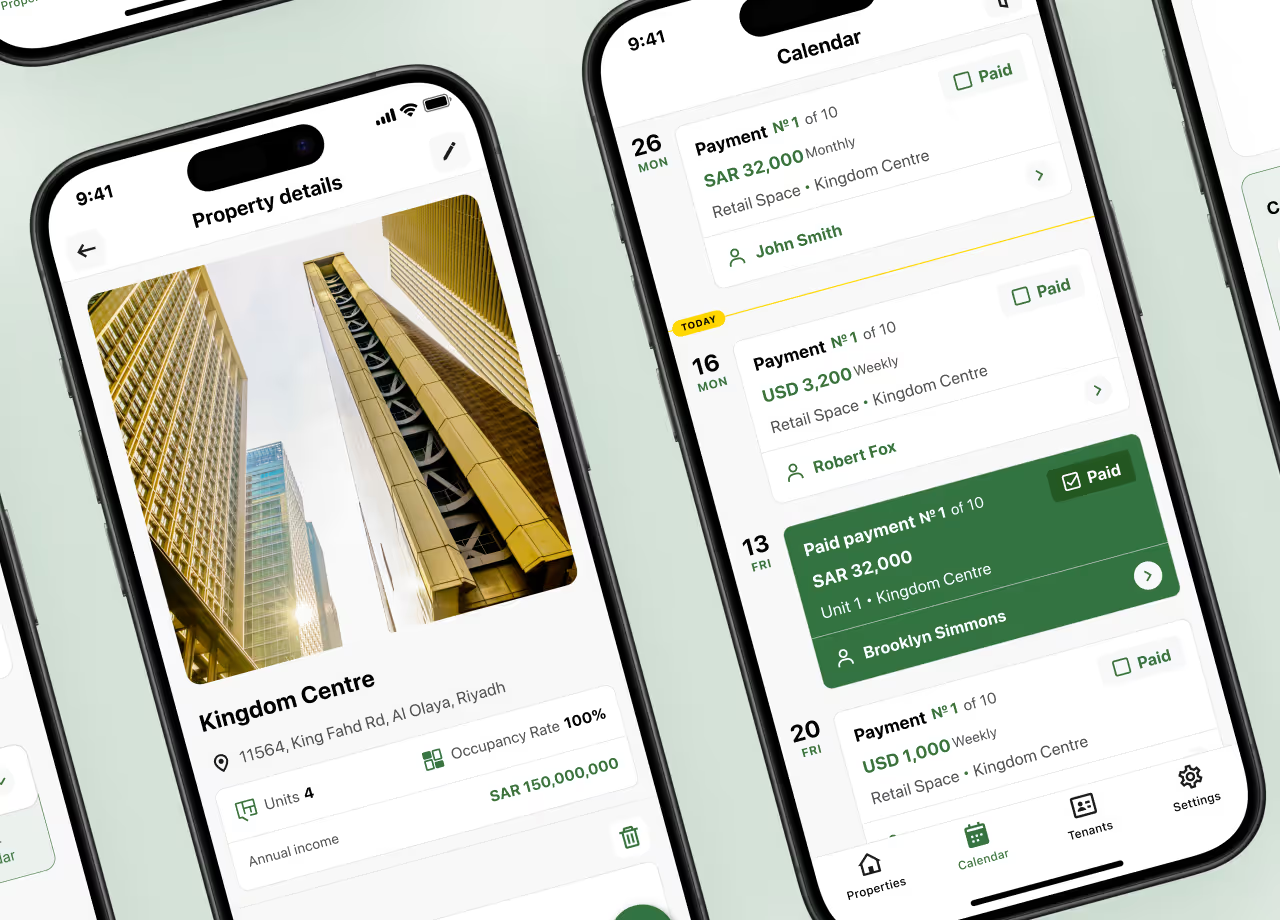
Mulki came to us building a real estate operations platform for the MENA market. Architecture decisions had to account for region-specific realities from day one — Arabic RTL with LTR numerals, Hijri calendar integration, government-mandated contract format compliance. These weren't patches added later; they were architectural calls made during discovery that prevented expensive rework. The platform was in production within 11 months and is still in active development 3.5 years later.
When companies come to us:
"Something's wrong with our system, but we don't know if we need to refactor, rebuild, or just live with it."
What we deliver:
An honest assessment of an existing system — codebase quality, scalability bottlenecks, security posture, technical debt, performance under load. This is what real IT architecture services look like: we tell you what's working, what's not, and what's actually risky. Sometimes the answer is targeted refactoring. Sometimes it's a rebuild. Sometimes it's leaving something alone that other people would unnecessarily touch. The diagnosis you get is the one we'd want if we were going to be responsible for the system — because often, we will be.
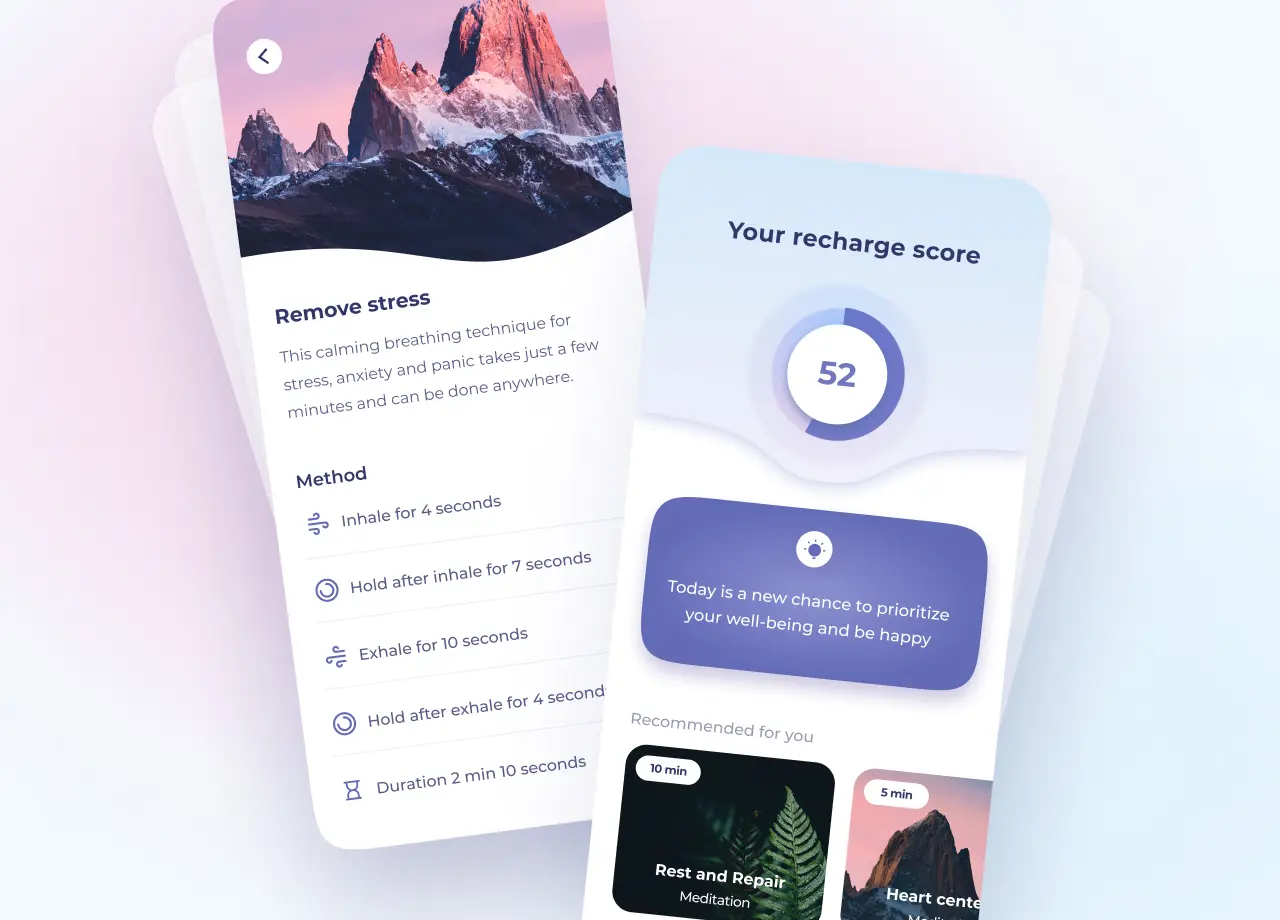
Envol came to us with an existing Android app and a request for maintenance. After assessing the codebase, we recommended a complete rebuild — and explained clearly why patching wasn't the answer. The client agreed. The rebuilt platform reached 12,000 downloads with 8,000+ active users and 43% retention.
When companies come to us:
"We have more priorities than we can act on, and we keep arguing about which technical bets to make first."
What we deliver:
Multi-quarter or multi-year technical strategy and IT roadmap planning. What to build first. What to defer. What to buy versus build. How to sequence investments so that early phases create real value and later phases stay flexible. A good technology roadmap isn't a fixed plan — it's a framework for making good decisions as conditions change. We build roadmaps that account for the fact that priorities will shift, markets will evolve, and what looks essential today may look different in 18 months.

The roadmap that started in 2018 has been continuously evolving for 7+ years — through a complete platform rebuild, expansion into new markets, integration with new revenue models, and the addition of capabilities that didn't exist in the original vision. The plan changed many times. The partnership didn't. Today the platform supports 15K+ active clients and £10M+ in coach earnings.
When companies come to us:
"We don't have a CTO, and we need someone senior in the room when technology decisions get made."
What we deliver:
Many of our clients don't have a CTO — or have one who needs senior support on specific technical questions. We don't sell this as a packaged "fractional CTO" service, because that's not really what it is. It's a pattern that emerges naturally inside our partnerships. When a client needs architectural decisions made, vendor evaluations done, technical hires assessed, or a peer-level technical voice in board conversations — we provide it. Not as a separate engagement, but as part of how we work alongside the team.

Medienlogistik came to us with operations spread across six fragmented SaaS tools — fleet management, HR, finance, dispatch. The architectural call was to consolidate, not integrate. We've stayed embedded in their technology decisions ever since: platform direction, vendor evaluations, integration choices, scaling questions. The unified platform reached 100% courier adoption in its first month and continues to evolve under shared technical leadership.


Consultancies hand you a report and move on. We make the technology call, document the reasoning, and stand behind it — because we'll be the ones building on it.
We don't sell architecture and strategy as standalone offerings disconnected from the work that follows. Technical advisory is built into how we work — from the first conversation through year five of the partnership.
The architects evaluating your system are the ones who would lead its rebuild. The engineers reviewing your codebase are the ones who would refactor it. There's no handoff from the senior pitch to a junior delivery team.
Sometimes the right call is to stay with your current team, hire internally, or leave a system alone. We say so when that's the case. The credibility of our advice depends on it.
Our average partnership is 2.5 years; many run well beyond five. That continuity means the team advising you next year already understands the decisions you made this year — and why.
ISO 27001 and ISO 9001 certified. Documented architecture decisions, defensible technology choices, and engagement practices that work for institutional clients, regulated industries, and EU-scale procurement.
Architecture and advisory work doesn't follow a fixed template. The shape of the engagement depends on what you actually need.
Discovery conversation
We start with a conversation — sometimes a single call, sometimes a few. The goal is to understand what you're trying to do, what's in the way, and whether we're the right team for it. No proposal template, no pitch deck.
Focused assessment
When the question is specific — an architecture review, a technical audit, a technology decision — we scope a focused engagement with clear outputs and a defined timeline. Usually 2–6 weeks.
Strategic engagement
When the question is bigger — a roadmap, a transformation plan, ongoing technical leadership — we set up a longer-form engagement with embedded architects working alongside your team.
Transition into development
When advisory work surfaces a system that needs to be built or rebuilt, we transition into a development partnership. The architects who designed it stay on as the engineers who ship it.

What stays consistent: senior people doing senior work, decisions documented and defensible, and an honest answer about whether we're the right partner for what comes next.
Seven years ago, Fitr was an idea. Today it's a platform serving fitness professionals across multiple countries. We've been part of every significant technical decision in between — architecture, scaling, new features, infrastructure — and we're still here.
We modernized a major Digital DJ Pool by developing a stable, high-load platform with global music provider integrations, advanced media streaming, and automated music processing to deliver a seamless experience for DJs and labels.

We developed a custom Account Management Module for the Austrian Chamber of Commerce (WKÖ), integrating it into the EdCast LMS to streamline invoicing for individual and corporate clients and ensure a scalable, efficient billing workflow.



Mind Studios really think about the problem; they're not yes men. They challenge their clients and think about long-term solutions.

From the beginning, the Mind Studios team clearly understood what we were trying to achieve with our project. I appreciated how the team handled everything, and we’re already discussing what’s next.

Mind Studios makes the project personal instead of just thinking of the income that comes from it. The team is very competent in what they do, always delivers on time, and, most important, is cost-efficient.

Our friends at Mind Studios will continue to be an important part of our team as we continue to evolve and optimize our user experience and bring new features to life.

We are actively working with the MindStudios for more than 2 years now and it has been an absolute pleasure. They deliver high-quality work, brainstorm with us on ideas and are capable of turning all ideas into reality. We will continue to work with them in the future!

Mind Studios listened intently to our idea and approach and then constructively challenged us on the right path to success! They demonstrated an uncompromising commitment to exceptional performance in the most challenging environment.

I was impressed with their ability to deliver high-quality work on time. Professional and reliable, Mind Studios strictly adhered to the deadline and communicated regularly throughout.

I have found Mind Studios to be unfailingly brilliant, thoughtful, positive, patient, warm, supportive and nice, and committed to the highest standards of excellence.

Mind Studios has an exceptional ability to understand customer needs and deliver a high-quality product. Our collaboration has resulted in high-quality, fast, and cost-effective development of custom software that exceeds our customer's needs and results in high ROI.

Mind Studios has done an amazing job. While I’d heard horror stories about outsourcing, I’ve had no issues at all with development or general output. Their services are extremely fairly-priced for the quality of the development you’re getting. They’re truly top-notch.

Mind Studios is our go-to provider for all aspects of technology. They set up the server and storage systems for all of the content. They created all the technology for the different sections of the website and the app itself. I love the way these guys work. There is no ego involved.
Architectural patterns travel across industries. Decisions tested in logistics inform how we approach healthcare. Compliance work in real estate informs marketplaces. The deeper context across verticals makes for better technical judgment.

Operations platforms, fleet systems, and supply chain architecture — built for the complexity of moving things at scale.

Clinical workflows, data compliance, and patient-facing platforms — where architectural decisions carry real consequences.

Property operations, transaction management, and field-to-office systems — across the full asset lifecycle.

Coaching platforms, membership systems, and content delivery — built to scale with the businesses running on them
Most companies that come to us aren't sure yet whether they need an audit, a roadmap, an architecture, a rebuild — or a partner. The first conversation is for figuring that out together.
A CTO is a full-time executive hire — typically the right move when you need someone embedded in the business making decisions daily. Software architecture consulting is a different model: senior architectural expertise brought in for a specific decision, audit, or planning phase, without the overhead of a full-time hire. For many growth-stage founders, software architecture consulting services are a more practical starting point — you get the architectural depth you need for the decisions in front of you now, with the option to transition into a longer engagement as the product matures. The fractional CTO framing oversimplifies it; what most companies actually need is technical strategy and architecture design grounded in how the system will actually get built.
It depends on the scope of the engagement. A focused software architecture review or architecture audit — assessing an existing system — typically runs $8K–$20K depending on system complexity. A full software architecture advisory services engagement covering system design, technology stack advisory, and roadmapping generally starts at $25K and scales with the depth of planning required. Ongoing technical leadership as part of a development partnership is structured differently — it becomes part of the overall engagement rather than a separate line item. We scope all of this during the discovery conversation before any commitment is made.
A written assessment covering: what's working and why, what's at risk and how seriously, what the technical debt picture looks like, and what your realistic options are — refactor, rebuild, or leave alone. Our IT architecture advisory for growing companies doesn't produce a generic report. It produces a specific, prioritized view of your system that you can act on — with reasoning documented so the people who weren't in the room can understand the decisions. If we're going to be responsible for the system afterward, the audit output needs to be something we'd trust ourselves.
The best time is before a major decision forces your hand. Common triggers: preparing for a funding round where investors will scrutinize the technology stack, planning a significant platform migration or rebuild, scaling into new markets, or realizing the current architecture can't support the next 12 months of growth. Our information technology advisory work helps you build a technology roadmap and IT roadmap that's honest about sequencing, cost, and risk — so you're making decisions with a clear picture of the tradeoffs, not guessing under pressure.
Yes — and it's one of the most common ways we engage. Our technical advisory services for businesses are designed to work alongside existing teams, not instead of them. The typical pattern is architectural decisions and software design direction from our senior architects, executed by your team with our involvement at the critical junctures. This is particularly useful for CTOs who need a peer-level perspective on a specific decision, or for companies that have developers but lack senior architectural depth. We bring the IT architecture services layer; your team handles day-to-day execution.
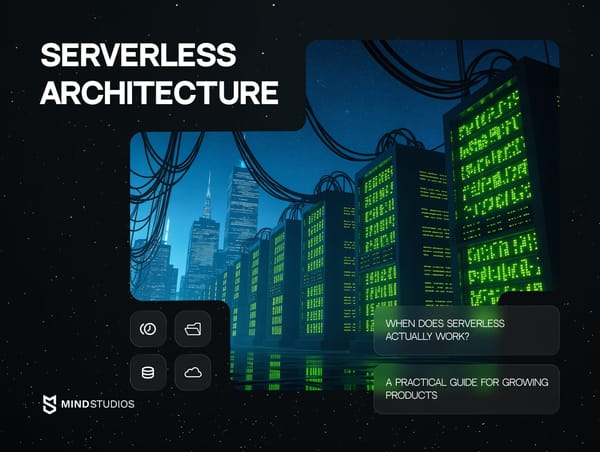
Serverless architecture promises faster launches and lower costs, but many SaaS companies discover vendor lock-in and unpredictable expenses only after their systems scale. This guide shows you how to evaluate serverless decisions before they become expensive constraints.
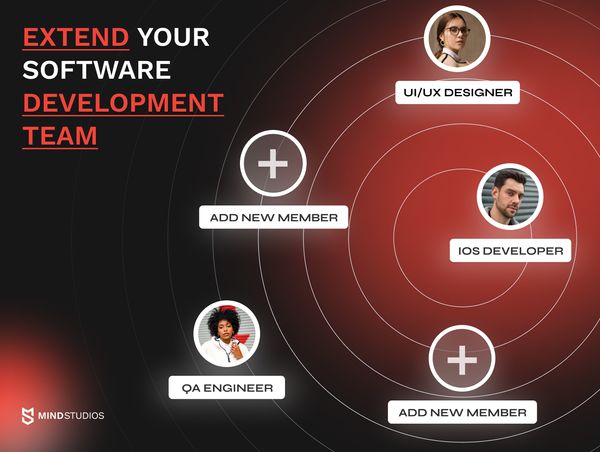
There are plenty of situations that might require an extended software development team. Tight deadlines, projects that exceed the team’s size, skill gaps, and limited staffing budget can lead to cases when hiring external employees will be the most efficient and cost-savvy solution.
If you can’t decide whether you should develop your app or website in-house or outsource development, you’ve come to the right place.
