Epic EHR Integration for an Automated Patient Intake System


In healthcare, every minute counts. Yet, medical professionals often find themselves navigating a tightrope, balancing patient care with administrative tasks, data collection, and various formalities.
With this challenge in mind, our client, a practicing dermatologist, decided to create a solution that reclaims time lost to these tasks, aiming to make each patient visit as efficient and focused on care as possible. This is how we came to develop a pre-visit interactive questionnaire that gathers patients' medical history, complaints, and symptoms before their appointment.

Dr. Cho
Our Client
Dr. Cho, a dermatologist and geneticist at a US-based university
This pre-visit medical web app isn’t our first collaboration with Dr. Cho. We met back in 2013 when Mind Studios helped the doctor build a teledermatology platform. After years of leading the project, Dr. Cho successfully exited it and moved on to the next goals. In 2020, we started working on implementing his new idea.
The project's primary task was to help medical professionals minimize the time spent collecting initial patient data. To this end, we had to develop a system where patients could complete a comprehensive questionnaire before their visit. This would equip doctors with all the essential information beforehand, empowering them to focus on patient care right from the start.
Initially, we piloted this concept within dermatology, but we aspired to scale the project and make it work for other medical fields later on.

Proof of Concept
Collaborating with Dr. Cho offered us a unique advantage, as we could work with him not only as a client but also as the primary domain expert. He supplied a comprehensive set of medical questions foundational to the platform.
Our task was to validate the system's technological feasibility and create user-friendly, convenient UI/UX solutions.
Based on Dr. Cho's insights, our team crafted an electronic questionnaire prototype, which allowed us to confirm the concept's utility and move on to the next phase: developing the platform.

With Dr. Cho’s medical questionnaire as our foundation, the Mind Studios team set to work on designing information architecture and a user-friendly interface. We created a clickable prototype in Figma, which our client then tested with his students for initial feedback. Their insights helped us fine-tune the prototype, adjusting features for better usability.
Following several rounds of feedback and improvements, we were ready to get to the development phase.

Pre-Visit Interview Composer

The app’s core feature is a composer of medical question combinations. It is engineered to accommodate various clinics and healthcare professionals, facilitating the project's scalability.
The system operates on a dynamic question logic model, where the questions presented to patients adjust in real time based on their previous answers. As patients progress through the questionnaire, the system intelligently analyzes their responses to determine the next set of questions. This adaptive approach streamlines the data collection process and lays the foundation for the healthcare provider’s consultation.
Dynamic Body Map
To make the questionnaire even more effective, we added an interactive body map feature. Patients can use this map to pinpoint where they feel discomfort, add a description, and upload a picture. This helps doctors understand the problem better before the patient comes in, making the diagnostic process quicker and more effective.

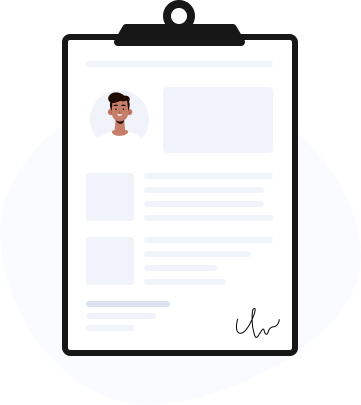
Another key innovation we implemented is the note composer feature, which automatically compiles the patient’s questionnaire responses into a coherent medical history. Basically, it acts as an automated editor: after analyzing the patient information, the system formats it into a standardized medical note using templates. As a result, doctors can quickly review a summary of the patient’s medical history and concerns, streamlining the preparation for consultations.

Step 1
Patients get a questionnaire link via email to complete before their visit

Step 2
The system automatically turns completed answers into a clear medical note

Step 3
Doctors receive the note before the patient’s visit, allowing for focused care during the consultation

To ensure regulatory compliance and the highest level of security, we partnered with Epic, a software development company that in 2022 held the medical records of 78% of US patients. Now, once submitted, all patient-provided medical information is securely stored in Epic’s EHR/EMR system.
The pre-visit medical app project was our first experience with Epic systems, which is why we brought in an external Epic integration specialist. They assisted us in bridging the gap between our development team and the healthcare software provider, ensuring successful integration.
Tech Stack
Frontend
Client-side
-
 Vue.js 2
-
 BootstrapVue
-
Admin-side
-
Vue.js 3
-
 Bootstrap v5.0
Backend
-
 Ruby 3.0
-
 6.1
-

-

-

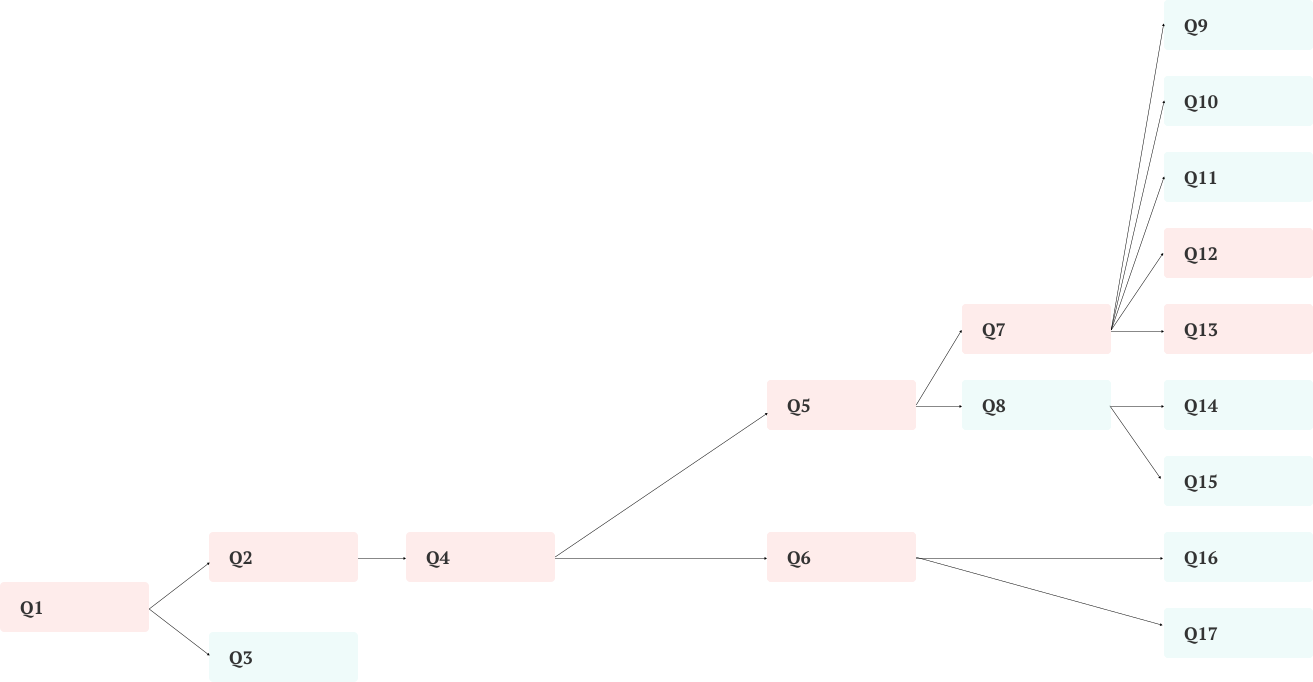
Developing the pre-visit interview composer was both our team’s primary goal and the biggest challenge. Building a system capable of real-time adjustment based on patient responses required an advanced algorithm and a robust backend infrastructure.
Our development experts had to ensure seamless integration of complex logic models that could intelligently interpret and react to various patient data inputs. In addition to advanced tech expertise, the task required a deep understanding of medical workflows. On top of that, we had to maintain strict privacy and security standards due to the sensitive nature of healthcare data.
In the end, this project pushed us to improve our tech abilities, and all the hard work we put into it paid off.
The Road Ahead

In 2023, our tech team transitioned the project to the client, and the web app began its next phase. Implementing healthcare projects is always a lengthy process. Currently, the platform is in beta testing at a US-based clinic. Mind Studios is proud to have been part of Dr. Cho’s vision coming to life, and we can’t wait to see how the platform evolves further.
Food delivery mobile application